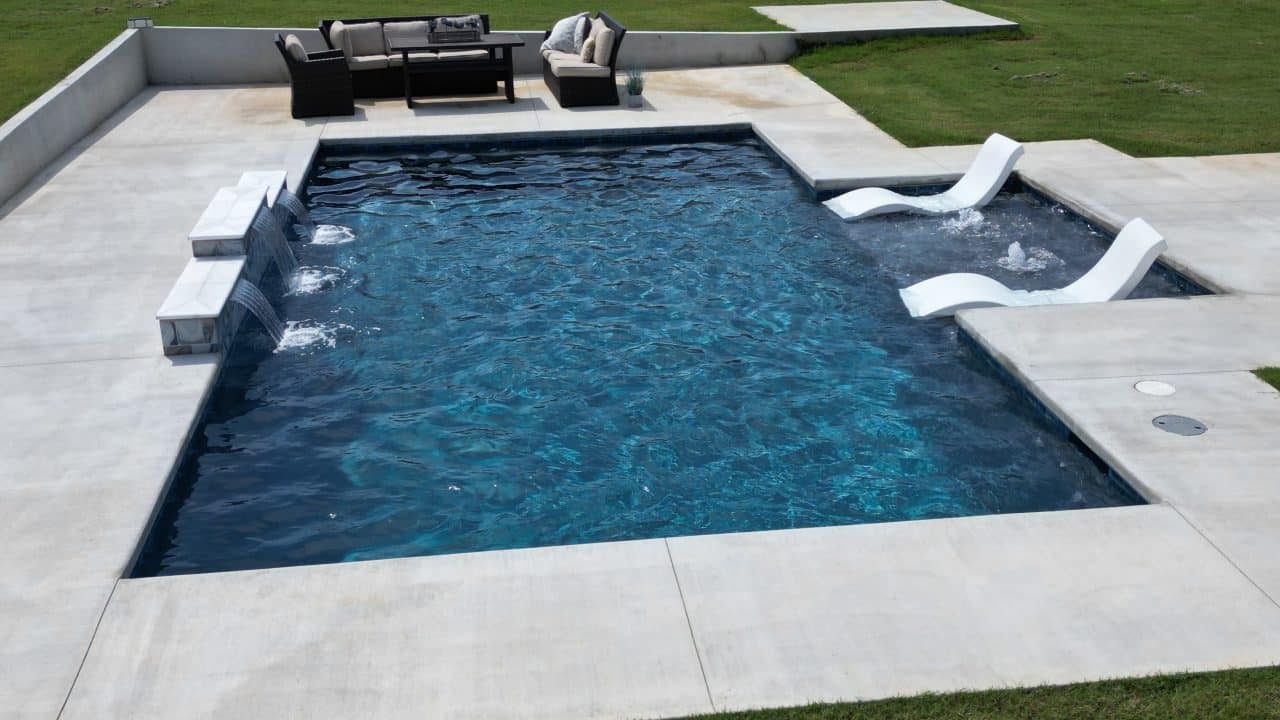
The infinity pool suspended over a cliff. The geometric wonder with LED light shows cycling through every color imaginable. The resort-style lagoon complete with a grotto and waterfall. These are the pools that flood our social media feeds, generating thousands of likes and shares. They’re stunning in photographs, perfectly curated for the algorithm’s hunger for drama and spectacle.
But here’s what those images rarely reveal: what these spaces look like five years later. How they function during Oklahoma’s sweltering summers and unpredictable weather patterns. Whether the homeowners still find joy in their outdoor sanctuary, or if they’ve grown weary of maintaining a space designed more for cameras than for living.
The most enduring luxury outdoor spaces share a common thread that has nothing to do with their Instagram potential. They possess an almost architectural restraint—a quality that whispers rather than shouts. These spaces understand that true luxury isn’t about having the most dramatic feature or the latest technological marvel. It’s about creating environments so perfectly attuned to their setting, climate, and the family’s daily rhythms that they become an indispensable extension of home.
In Oklahoma, where the landscape shifts from rolling plains to wooded hills, where summer temperatures can soar past 100 degrees and storms can arrive with little warning, this principle becomes even more critical. The outdoor spaces that age gracefully here are those designed with an intimate understanding of both the land and the seasons, spaces that enhance rather than compete with their natural surroundings.
The Hidden Cost of Trend-Driven Design
Every pool design trend carries an expiration date, though it’s rarely stamped on the proposal. The geometric pools with sharp edges and stark concrete surrounds that dominated the early 2010s now feel dated. The elaborate rock formations that once seemed so natural appear theatrical against today’s more refined sensibilities. Even some of today’s most popular features—the all-black pool interiors, the glass tile that sparkles like jewels, the floating spa cubes—will eventually feel like relics of their era.
This isn’t an argument against beauty or innovation. It’s recognition that true luxury lies in transcending the moment. The families who invest hundreds of thousands of dollars in outdoor living spaces deserve designs that will feel as relevant and beautiful twenty years from now as they do on installation day.
The financial implications extend beyond mere aesthetics. Trend-driven pools often require earlier renovations as styles shift. The maintenance demands of complex water features, elaborate lighting systems, and high-maintenance materials compound over time. What appeared to be a smart investment begins to feel like an expensive mistake when the novelty fades and the bills accumulate.
More subtly, these spaces can begin to feel disconnected from the family’s evolving needs. The infinity edge that looked stunning in photos may prove impractical for a family with young children. The elaborate lighting system becomes an energy burden during long Oklahoma summers. The exotic materials that photographed beautifully require specialized maintenance that local service providers struggle to support.
Oklahoma’s Climate Reality Check
Designing for longevity in Oklahoma means designing for extremes. Summer temperatures regularly exceed 95 degrees, with heat indices pushing well beyond 100. The sun beats down relentlessly for months, testing every material choice. Then come the storms—sudden, violent thunderstorms that can drop hail the size of golf balls and bring winds that topple trees.
Winter presents its own challenges. While Oklahoma doesn’t endure the harsh freezes of northern states, the freeze-thaw cycles can be particularly damaging to outdoor installations. Pool equipment and plumbing must be protected, and hardscape materials must withstand repeated expansion and contraction cycles.
These realities shape every decision in creating spaces that age gracefully. Material selection becomes critical—natural stone that can withstand temperature extremes without cracking or fading, tile that won’t become slippery when wet, metals that resist corrosion in humid conditions. Equipment placement must account for both accessibility and protection from the elements.
But climate considerations go beyond mere durability. The most successful luxury outdoor spaces in Oklahoma are designed to be comfortable and inviting even during the challenging months. This might mean incorporating substantial shade structures, selecting pool orientations that minimize afternoon sun glare, or designing spa features that extend the usable season into cooler months.
The landscaping integration becomes equally crucial. Plants that thrive in Oklahoma’s climate and complement the pool design will mature beautifully over time, while exotic specimens that struggle with local conditions will require constant replacement and maintenance. The most enduring designs work with the natural landscape rather than imposing an foreign aesthetic upon it.
The Architecture of Restraint
Walk through the most enviable neighborhoods, and you’ll notice something about the outdoor spaces that truly capture attention. They don’t shout for it. Instead, they possess a quiet confidence, a sense of belonging that makes them feel inevitable rather than imposed. This is the architecture of restraint—design that achieves maximum impact through careful subtraction rather than endless addition.
In pool design, restraint might manifest as choosing a single, exceptional material rather than a collage of different finishes. It could mean designing one perfect water feature instead of layering multiple effects. Or it might appear in the decision to honor the natural slope of the land rather than fighting it with dramatic engineering.
This philosophy extends to color palettes that draw from the surrounding landscape. Rather than importing tropical blues and vibrant accent colors, the most enduring pools reflect the subtle hues of Oklahoma’s natural beauty—the warm grays of native stone, the deep blues of twilight skies, the rich earth tones of the prairie. These colors feel fresh and relevant year after year because they’re rooted in permanent rather than fashionable beauty.
The restraint principle also governs scale and proportion. A pool that’s sized appropriately for its setting and the family’s actual usage patterns will feel more luxurious than one that dominates the landscape. The negative space—the areas left open—becomes as important as the constructed elements. This breathing room allows each design element to be fully appreciated while creating a sense of serenity that photographs rarely capture but daily living always notices.
Perhaps most importantly, restraint in design creates flexibility for evolution. Spaces that aren’t over-designed can adapt as families grow and change. New furniture arrangements, seasonal decorating, or small additions feel natural rather than forced. The pool becomes a foundation for living rather than a rigid statement that cannot be modified.
Materials That Improve with Time
The hallmark of enduring luxury outdoor spaces lies not just in their initial beauty, but in how they evolve. The finest materials don’t merely resist aging—they become more beautiful with time, developing character and patina that mass-produced alternatives can never achieve.
Natural stone exemplifies this principle. A quality limestone or travertine deck doesn’t just survive Oklahoma’s climate challenges; it develops a subtle weathered beauty that feels increasingly integrated with its surroundings. The slight variations in color and texture that emerge over years of sun exposure create depth and interest that factory-uniform materials lack. The stone literally becomes part of the landscape’s story.
Quality plaster finishes behave similarly. While stark white plaster can look clinical and show every flaw, properly selected earth-tone plasters develop subtle variations that add visual interest over time. The best finishes seem to capture and reflect light differently as they age, creating pools that feel alive and dynamic rather than static.
Metal elements present another opportunity for graceful aging when properly specified. Copper accents develop their famous verdigris patina, creating rich blue-green tones that complement Oklahoma’s natural palette. Quality bronze hardware gains depth and character through oxidation. Even steel, when properly treated and maintained, can develop attractive surface variations that enhance rather than detract from the overall design.
Wood elements, often avoided in pool areas due to maintenance concerns, can actually be among the most beautiful aging materials when properly selected and installed. Certain tropical hardwoods develop stunning silver-gray patinas that feel sophisticated and timeless. Even domestic woods like cedar can age beautifully when detailed properly and maintained appropriately.
The key lies in understanding and embracing these natural aging processes rather than fighting them. Designs that anticipate how materials will evolve can plan for and even celebrate these changes. This might mean selecting stone that will develop attractive moss growth in shadowed areas, or choosing metals whose patina will complement the mature landscape.
This philosophy extends to pool finishes themselves. The most enduring pools often feature finishes that hide minor imperfections rather than highlighting them. Darker colors, subtle textures, and natural variations create surfaces that remain beautiful even as they acquire the minor scuffs and stains that come with active use.
Integration Beyond the Pool Edge
The pools that photograph best are often islands—dramatic statements isolated in seas of perfect lawn. But the pools that live best are seamlessly woven into their broader context, creating outdoor rooms rather than water features with landscaping around them.
True integration begins at the architectural level. The most successful luxury outdoor spaces feel like natural extensions of the home’s interior, sharing materials, proportions, and design principles that create visual continuity. This might mean carrying interior stone finishes into the pool deck, matching the home’s window proportions in pergola designs, or echoing interior color palettes in outdoor furniture and accent selections.
But integration goes deeper than visual consistency. The most enduring outdoor spaces are designed around actual usage patterns rather than idealized scenarios. This means understanding how the family moves through outdoor spaces, where they naturally gather, and how different areas will be used throughout the day and seasons.
Shade integration becomes particularly crucial in Oklahoma’s climate. Rather than treating shade as an afterthought, the most successful designs build it into the fundamental structure of the space. This might mean positioning pools to take advantage of existing mature trees, designing structures that provide relief during the harshest afternoon sun, or planning for future shade as newly planted trees mature.
The relationship between pool and landscape requires equal attention. The most beautiful pools appear to emerge naturally from their settings, as if they’ve always been part of the landscape. This might mean designing organic curves that echo natural water features, selecting plants that provide appropriate scale and seasonal interest, or creating transitions between manicured pool areas and more natural landscape zones.
Maintenance integration often separates good designs from great ones. Equipment placement, access routes for service providers, and storage solutions for pool maintenance supplies need to be planned from the beginning rather than added as afterthoughts. The most successful designs hide these practical necessities without making them inaccessible.
Water management represents another critical integration point. Oklahoma’s intense rainfall events can overwhelm inadequate drainage systems, while drought periods stress landscapes and affect pool water levels. Designs that anticipate and plan for these variations through proper grading, drainage integration, and landscape selection will age much more gracefully than those that treat water management as a separate concern.
The Villa Del Mar Approach to Timeless Design
Creating outdoor spaces that transcend trends while embracing luxury requires a fundamental shift in how we approach pool design. It begins with listening—truly understanding how a family lives, entertains, and dreams of using their outdoor space. This conversation extends beyond wish lists to explore daily routines, maintenance preferences, and long-term goals for the property.
At Villa Del Mar Pools, this philosophy shapes every aspect of the design process. Rather than presenting predetermined solutions or pushing the latest trends, we begin by studying the unique characteristics of each site. The natural slope and drainage patterns, the orientation to prevailing winds, the relationship to neighboring properties, the quality of existing soil and vegetation—all of these factors influence the design direction before a single line is drawn.
The material selection process reflects this commitment to longevity. We source natural stones from quarries that have supplied projects for decades, understanding how different varieties perform in Oklahoma’s specific climate conditions. Our plaster specifications favor proven formulations over experimental finishes that haven’t been tested by time. Equipment selections prioritize reliability and service availability over cutting-edge features that may become obsolete.
But this careful approach doesn’t limit creative expression—it focuses it. By establishing a foundation of sound engineering and appropriate materials, we create the freedom to pursue beautiful, innovative design solutions that will remain viable for decades. The most striking design elements often emerge from this disciplined approach, where constraints spark creativity rather than limiting it.
Our construction process reflects this long-term perspective as well. Rather than rushing to complete projects, we allow adequate time for proper soil preparation, material curing, and quality control inspections. The construction sequence is planned to minimize stress on materials and maximize the quality of connections between different elements. These invisible details often determine whether a pool will age gracefully or require premature repairs.
The relationship doesn’t end at completion. We maintain ongoing relationships with our clients, providing guidance on maintenance practices that preserve beauty while extending system life. This might include seasonal consultation on chemical balancing, advice on landscape maturation, or recommendations for updates that enhance rather than replace original design elements.
Beyond the Build: Designing for Evolution
The most successful luxury outdoor spaces are designed to evolve. Rather than creating finished statements that cannot be modified, the best designs establish frameworks that can accommodate changing needs, growing families, and shifting preferences over time.
This flexibility begins with infrastructure planning. Electrical and plumbing rough-ins can anticipate future additions without requiring major excavation. Structural elements can be designed to support additions like shade structures or outdoor kitchens that might be added in future phases. Even landscape planning can anticipate how plants will mature and how spaces might be reconfigured as usage patterns evolve.
The pool itself can be designed for adaptation. Equipment systems can be sized to accommodate future spa additions or water feature installations. Lighting infrastructure can be planned to support expanded systems as technology improves. Even seemingly permanent elements like pool finishes can be selected for their compatibility with future renovation options.
Furniture and accessory selection plays a crucial role in this evolutionary approach. Rather than installing built-in elements that cannot be modified, the most flexible designs use high-quality portable pieces that can be rearranged as needs change. Fire features, outdoor furniture, and even some shade elements can be selected for their ability to adapt to new configurations while maintaining the design’s overall integrity.
Seasonal evolution becomes equally important in Oklahoma’s varied climate. The most successful outdoor spaces offer different experiences throughout the year, with features that remain relevant even when the pool isn’t in active use. Fire features extend usable seasons into cooler months. Evergreen landscaping maintains visual interest year-round. Covered areas provide gathering spaces regardless of weather conditions.
Technology integration requires particular attention to future-proofing. Rather than installing the latest smart home systems that may become obsolete, the wisest approach focuses on robust infrastructure that can support future technological advances. Conduit systems, network connectivity, and power distribution can be designed to accommodate unknown future needs without compromising current functionality.
This evolutionary mindset also influences maintenance and renovation planning. The most enduring pools are designed with realistic expectations about future maintenance needs. Surface refinishing schedules, equipment replacement cycles, and landscape renovation requirements are anticipated rather than treated as surprises. This planning allows homeowners to budget appropriately while ensuring that maintenance enhances rather than merely preserves the space.
The Economics of Enduring Design
While the initial investment in truly lasting luxury outdoor spaces may exceed that of trend-driven alternatives, the long-term economics strongly favor the enduring approach. Quality materials and construction methods that cost more upfront typically deliver lower lifetime costs through reduced maintenance, longer replacement cycles, and better preservation of value.
Consider the true cost of pool surfaces over a twenty-year period. Premium plaster finishes that cost significantly more than basic alternatives often last twice as long while looking better throughout their service life. When the costs of refinishing frequency, maintenance complexity, and appearance degradation are factored in, the premium option often proves more economical.
Equipment selection follows similar patterns. High-efficiency pumps, quality filtration systems, and robust automation equipment carry higher initial costs but deliver energy savings, reliability benefits, and longer service life that more than offset the additional investment. The convenience factor of reliable systems that require minimal service calls adds additional value that’s difficult to quantify but impossible to ignore.
Landscape investment provides another example of how quality pays over time. Mature, properly selected plants cost more initially than young specimens but establish faster, require less replacement, and achieve the intended design effect sooner. Native and adapted species may cost more than generic alternatives but thrive with less irrigation, fertilization, and pest management over their lifetimes.
Property value considerations add another dimension to the economic equation. Pools and outdoor spaces designed with restraint and quality tend to appeal to broader markets when properties are sold. Highly personalized or trend-driven designs may limit buyer pools, while timeless approaches typically enhance property values for longer periods.
The renovation avoidance factor represents perhaps the most significant economic advantage of enduring design. Pools designed to age gracefully require fewer major updates over their lifetimes. When renovations do become necessary, they can often be accomplished through surface updates and equipment modernization rather than fundamental redesign. This preservation of the basic investment protects the homeowner’s capital while maintaining the space’s functionality and beauty.
Maintenance costs over time heavily favor quality initial construction. Properly installed plumbing systems require fewer repairs. Quality pool surfaces resist staining and algae growth more effectively. Well-designed circulation systems operate more efficiently and require less chemical treatment. These operational savings compound over decades of ownership.
Weather Resilience and Climate Adaptation
Oklahoma’s dynamic weather patterns demand outdoor spaces designed for resilience rather than perfection. The most successful luxury pools anticipate weather challenges rather than merely hoping to avoid them. This proactive approach creates spaces that remain beautiful and functional regardless of seasonal variations or extreme weather events.
Heat management extends beyond simple shade provision. The most comfortable pool areas incorporate multiple strategies for temperature control: water features that provide evaporative cooling, materials that don’t become uncomfortably hot underfoot, and design orientations that minimize heat reflection and glare. Pool water temperature management becomes equally important, with heating and cooling systems that maintain comfortable conditions efficiently.
Storm resilience requires attention to both dramatic events and routine weather patterns. Hail protection for equipment, wind-resistant shade structures, and drainage systems capable of handling intense rainfall events protect the investment while ensuring quick recovery from weather impacts. But equally important is designing for the cumulative effects of routine weather exposure—UV degradation, thermal cycling, and moisture variations that gradually stress materials and systems.
Seasonal adaptation allows outdoor spaces to remain relevant year-round rather than sitting unused for half the year. This might include spa features that make water activities appealing in cooler weather, fire features that extend gathering seasons, or covered areas that provide comfort regardless of conditions. The goal isn’t to fight Oklahoma’s seasons but to embrace them while maintaining the space’s utility and beauty.
Microclimate creation represents an advanced approach to weather management. Thoughtful design can create zones within the outdoor space that offer different environmental conditions: sunny areas for winter warming, shaded retreats for summer comfort, and wind-protected spaces for year-round usability. These microclimates allow families to find comfortable conditions regardless of broader weather patterns.
Plant selection becomes crucial for both beauty and resilience. The most successful landscape designs favor species that not only survive Oklahoma’s climate challenges but actually thrive in them. These plants establish faster, require less supplemental irrigation, and develop the robust root systems that prevent erosion and provide natural cooling through transpiration.
Water feature design must account for both drought conditions and abundance. Features that can operate attractively at various water levels, systems that minimize water loss through evaporation and splash-out, and designs that capture and utilize rainwater all contribute to long-term sustainability while reducing operational costs.
Maintenance Philosophy for Longevity
The pools that age most gracefully are maintained with a philosophy that embraces natural processes while preserving essential functions and beauty. This approach recognizes that some changes are desirable—the patina that develops on natural materials, the establishment of beneficial bacterial communities in pool systems, the maturation of landscape plantings—while preventing changes that compromise safety, functionality, or structural integrity.
Proactive maintenance scheduling protects investments while minimizing disruption to family life. This means establishing regular service routines that catch small issues before they become major problems, timing major maintenance tasks to minimize impact on peak usage seasons, and maintaining detailed records that inform future service decisions. The most successful maintenance programs feel almost invisible to the homeowners while ensuring that the space always performs optimally.
Chemical balance management for long-term pool health goes beyond weekly testing and adjustment. Understanding how different pool finishes respond to various chemical conditions, how equipment performs optimally, and how seasonal changes affect water chemistry allows for maintenance approaches that preserve materials while ensuring safe, comfortable water conditions. This might mean accepting slightly different water conditions that are healthier for pool surfaces, or timing chemical adjustments to minimize stress on pool systems.
Equipment maintenance focuses on preservation and efficiency rather than merely preventing breakdowns. Regular cleaning, proper lubrication, and component replacement before failure extend equipment life while maintaining peak performance. Understanding how different equipment brands and models perform in Oklahoma’s specific conditions allows for maintenance approaches tailored to actual rather than theoretical requirements.
Landscape maintenance that supports the overall design vision requires understanding how different plants mature and change over time. This might mean selective pruning that maintains desired proportions while allowing natural growth patterns, seasonal cleanup that preserves beneficial insects and soil biology, or fertilization programs that promote healthy growth without encouraging excessive maintenance requirements.
Surface and material care preserves beauty while allowing natural aging processes that enhance rather than degrade appearance. This might mean cleaning techniques that remove stains without damaging natural stone patinas, or protective treatments that prevent deterioration without creating artificial appearances. Understanding how different materials age allows for maintenance approaches that guide rather than fight natural processes.
Creating Your Timeless Outdoor Legacy
The decision to invest in a luxury outdoor space represents more than a home improvement—it’s a commitment to enhancing your family’s daily life for decades to come. The spaces that deliver on this promise are those designed with deep understanding of both the immediate desires and the long-term realities that will shape how the space is used, maintained, and appreciated over time.
This level of thoughtful design requires collaboration between homeowners who understand their own needs and desires, and designers who bring both creative vision and practical expertise to the process. The most successful projects begin with extensive conversation about not just what the family wants today, but how their needs might evolve, how they prefer to spend their time, and what kind of legacy they want to create for their property.
At Villa Del Mar Pools, we believe that every family deserves an outdoor space that grows more beautiful and more valuable with each passing year. Our approach begins with understanding your unique situation—your property’s characteristics, your family’s lifestyle, and your vision for how outdoor living should enhance your daily experience. From this foundation, we craft designs that honor both your immediate dreams and the realities of long-term ownership.
If you’re ready to explore what a truly timeless outdoor space might look like for your family, we’d welcome the opportunity to begin that conversation. Our design process starts with understanding rather than selling, with listening rather than presenting predetermined solutions. Together, we can create something that transcends trends to become a lasting enhancement to your home and your family’s life.
The pools that photograph well capture attention for a moment. The pools that live well capture hearts for a lifetime. The difference lies in the vision, the materials, the construction, and the philosophy that shapes every decision from conception through completion. Your outdoor space should be designed not for Instagram, but for the thousands of quiet moments, family gatherings, and peaceful evenings that make a house a true home.
Your legacy outdoor space is waiting to be designed. It begins with a conversation about what truly matters to you and your family, about how outdoor living can enhance your daily life, and about creating something that will remain beautiful and relevant for decades to come. Let’s begin that conversation, and discover what timeless luxury looks like in your backyard.